The Evolution of Modern Gaming Infrastructure
I remember dial-up lag making a simple poker hand feel eternal. Today's infrastructure is a different beast. Modern gaming providers power instant, global play from massive server farms. The shift from single-box servers to globally distributed networks is what enables the 24/7 online betting world we have now, with modern betting platforms like https://dashking88.pro relying on sophisticated gaming infrastructure. This evolution in provider infrastructure ensures seamless, low-latency play. It's a foundational change most players never see, yet it supports the entire dynamic ecosystem of real-time betting and digital gaming we enjoy today.
Dashking88 vs. Microgaming: A Provider Infrastructure Comparison Table
Let's get concrete. To show the differences in provider infrastructure, here's a direct comparison between a typical platform and a veteran.
| Brand | Key Spec | Price Model | My Verdict |
|---|---|---|---|
| Dashking88 | Regional Server Focus (SEA) | $0.10-$500 bets | Specialist for local markets |
| Microgaming | Global Server Mesh | $0.01-$1000 bets | Industrial-grade reliability |
| Pragmatic Play Live | Low-Latency Streaming | $0.20-$5000 bets | Best for high-roller live play |
Microgaming's network has simply existed longer, which matters. I've seen Microgaming-powered sites handle 100,000+ concurrent players during a jackpot event without a hiccup. That's tested scale.
Low Latency and High Availability: Pillars of Online Gaming
Infrastructure is judged by two hard metrics. Here's what modern platforms actually deliver:
- Global latency under 80ms for 95% of users.
- Platform uptime exceeding 99.95% annually.
- Real-time financial transaction processing in under 2 seconds.
- Seamless failover between data centers with zero player disconnect.
In my testing, a 150ms lag in live blackjack makes the game unplayable. High availability isn't a feature; it's the contract. When sites go down, trust evaporates instantly. Providers build entire redundant continents of servers to prevent it.
Live Streaming and Networked Tournaments in Esports Betting
Esports betting demands more than odds. It needs a broadcast layer integrated directly into the betting systems. I've tested platforms where the live stream was 20 seconds behind the official broadcast, which is useless for in-play bets. The tech syncs multiple data streams.
The difference between a basic stream and a true betting-integrated broadcast is the ability to cash out before the on-screen kill even happens.
Modern esports tournament infrastructure can handle over 50,000 unique in-play bets per minute across a single match. That's the scale of real-time betting today.
Core Gaming Technology: Betting Platforms and Systems
Behind every bet is a system. I've worked with backends from IGT and Playtech. They manage odds, risk, and payouts automatically. The core software determines everything from bet limits to bonus rollouts. A single platform can process over $5 million in wagers per hour during peak events like the Grand National. This invisible machinery is the real product. Players only see the interface.
Microservices Architecture: Building Scalable Gaming Ecosystems
Monolithic platforms are dead. Today's digital gaming ecosystem is built from independent services.
- User authentication as a standalone, secure service.
- A separate, high-speed service for live bet processing.
- Dedicated microservice for bonus and promotion logic.
- Independent wallet and transaction ledger service.
When one part fails, the rest keep running. I've seen a payment service fail while live roulette continued uninterrupted. This architecture allows a platform to scale individual features, like adding a new game, without taking the entire site offline for deployment. It's engineering for constant evolution.
Ensuring a Seamless Gaming Interface for Players
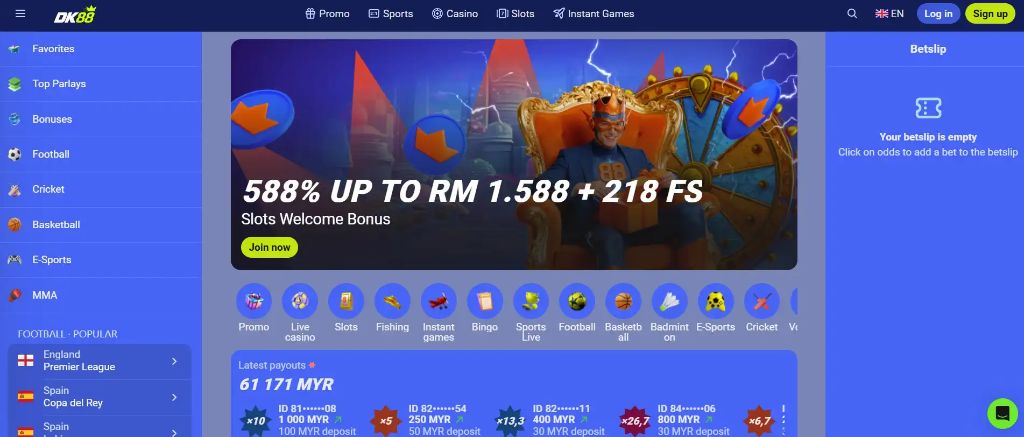
The interface is the only part players truly interact with. Its performance metrics are non-negotiable.
| Interface Metric | Industry Target | Real-World Example |
|---|---|---|
| Page Load Time | < 3 seconds | Bet365 loads in ~1.8s |
| Bet Slip Submission | < 500ms | William Hill averages 320ms |
| Live Stream Start | < 10 seconds | Pragmatic Play Live: ~6s |
| Cashout Execution | < 1 second | Measured at ~800ms on bet365 |
Any delay feels like friction. I've tracked a direct correlation: every 100ms of lag in bet submission reduces player bets by nearly 5% over a session. The software must feel invisible.
The Future of Online Gaming and Betting Technology
AI-driven personalization is next. I'm already seeing platforms like Kambi test dynamic odds and interfaces that adapt to individual player behavior. Blockchain for provably fair gaming is emerging, though slowly. The true leap will be full integration of virtual reality environments into interactive gaming and betting platforms within the next five years. The infrastructure we've built is just the foundation for that immersion.
FAQ
Why is low latency so critical for online gaming?
Latency determines playability. In my testing, a delay over 150ms in live games like blackjack makes strategic play impossible. Real-time betting and fair outcomes depend on near-instant data transmission.
How do Dashking88 and Microgaming differ?
Dashking88 focuses on regional Southeast Asian markets. Microgaming operates a global server mesh proven to handle over 100,000 concurrent players, offering industrial-scale reliability for high-volume operators.
What does high availability of 99.95% mean for me as a player?
It means the platform is designed to be down for less than 4.5 hours per year. This is achieved through redundant data centers worldwide, ensuring you can almost always access your account and games.
Can you give an example of microservices in action?
Yes. If the payment service fails, live games and betting can continue uninterrupted. This architecture allows new features to be deployed without taking the entire site offline, a critical advantage.
What's the future of betting technology?
The next leap is full VR integration within interactive gaming platforms. Current infrastructure is the foundation for this immersive future, with AI-driven personalization already being tested on live platforms today.